The Importance of Regular Concrete Maintenance
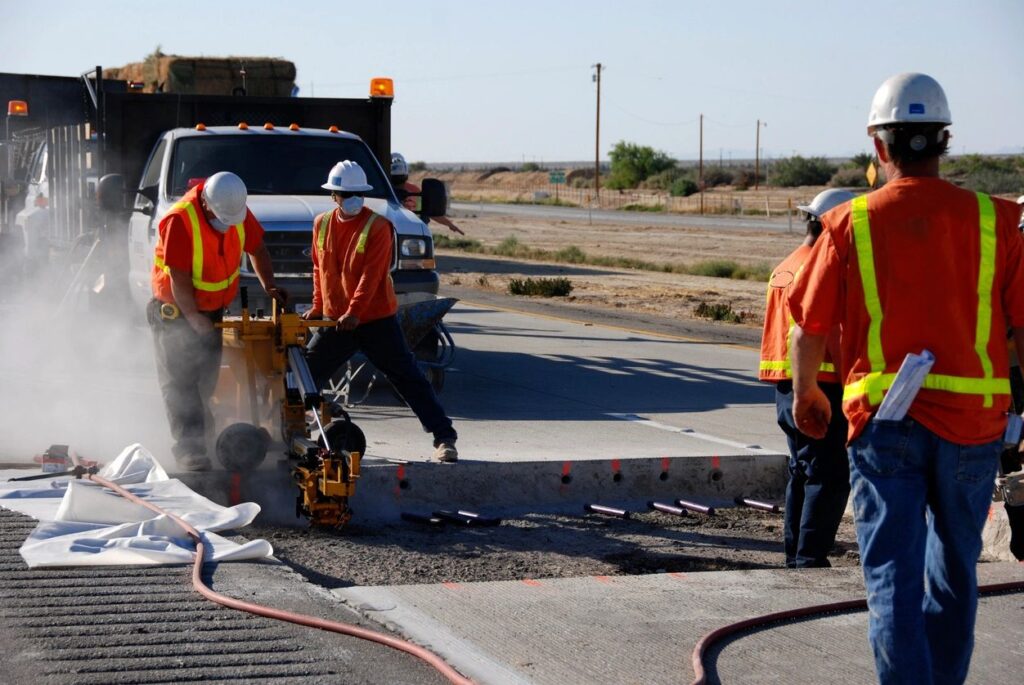
Concrete is a ubiquitous material in the commercial landscape, forming the foundation of countless buildings, parking lots, sidewalks, and other structures. Renowned for its strength and durability, concrete can withstand significant wear and tear. However, even the most well-constructed concrete surfaces require regular maintenance to ensure longevity, functionality, and aesthetic appeal. At Sanchez Concrete, we understand the importance of proactive concrete care. This blog post will delve into the benefits of regular concrete maintenance for your commercial property. We’ll explore common concrete issues, preventative measures, and best practices to keep your concrete surfaces looking their best and functioning flawlessly for years to come. 5 Benefits of Regular Concrete Maintenance Investing in regular concrete maintenance offers a multitude of benefits for your commercial property: Extended Lifespan: The primary benefit of regular maintenance is the significant extension of your concrete’s lifespan. Proactively addressing minor cracks and surface deterioration prevents them from escalating into costly repairs. A well-maintained concrete surface can last for decades, saving you money in the long run. Enhanced Appearance: Concrete surfaces exposed to the elements can develop unsightly stains, discoloration, and uneven textures. Regular cleaning and maintenance restore the original beauty of your concrete, creating a more professional and aesthetically pleasing environment for your business and its patrons. Improved Safety: Cracks, spalling, and uneven surfaces pose potential safety hazards for pedestrians and vehicles. Regular maintenance helps identify and address these issues before they cause accidents or injuries. Reduced Repair Costs: Small, unattended problems can morph into major structural issues requiring extensive and expensive repairs. Regular maintenance lets you catch problems early and address them with cost-effective solutions. Increased Property Value: A well-maintained concrete surface enhances your commercial property’s overall curb appeal and value. When considering selling or leasing your space, a properly maintained concrete exterior makes a positive first impression on potential tenants or buyers. Common Concrete Issues and Prevention Strategies Several factors can contribute to concrete deterioration. Here are some common issues and preventative measures to consider: Cracks can appear due to foundation settling, shrinkage, or improper installation. Regularly inspect your concrete surfaces for hairline cracks and address them promptly with appropriate crack-filling materials. Proper control joints installed during the initial construction phase can also help minimize cracking. Spalling refers to the flaking or chipping of the concrete surface. It often occurs due to freeze-thaw cycles, moisture infiltration, or the use of de-icing salts. Applying a high-quality concrete sealer can help prevent moisture penetration and subsequent spalling. Erosion can be caused by heavy traffic, improper drainage, or harsh weather conditions. Maintaining a proper slope for drainage and addressing pooling water can significantly reduce erosion. Concrete is a porous material susceptible to staining from oil, grease, and chemicals. Promptly cleaning spills and using appropriate cleaning solutions can help prevent permanent stains. Tips for Effective Concrete Maintenance By incorporating these essential tips into your routine, you can ensure your commercial concrete surfaces remain in top condition: Regular Cleaning: Schedule regular cleaning to remove dirt, debris, and surface contaminants. Power washing can be a valuable tool for deep cleaning, but use caution not to damage the concrete surface. Opt for a gentle cleaning solution specifically designed for concrete. Sealing: Applying a high-quality concrete sealer creates a protective barrier against moisture, de-icing chemicals, and other damaging elements. Sealing should be reapplied periodically, typically every 2-5 years, depending on the sealer type and traffic volume. Crack Repair: Don’t neglect cracks, no matter how small they appear. Address them promptly using appropriate concrete patching materials. Early intervention prevents water infiltration and further cracking. Joint Maintenance: Control joints are essential for managing concrete movement and preventing cracks. Regularly inspect control joints and ensure they are sealed and free of debris. Winterization: In colder climates, take steps to prevent freeze-thaw damage. Avoid using harsh de-icing salts that can deteriorate concrete. Consider applying a protective liquid de-icer before winter storms. Regular concrete maintenance ensures your commercial property’s longevity, functionality, and aesthetic appeal. By implementing these tips and preventative measures, you can significantly extend the lifespan of your concrete surfaces, reduce repair costs, and enhance the overall value of your property. With proactive care, your concrete investment will continue to serve your business for years to come.
How to Choose the Right Asphalt Paving Contractor
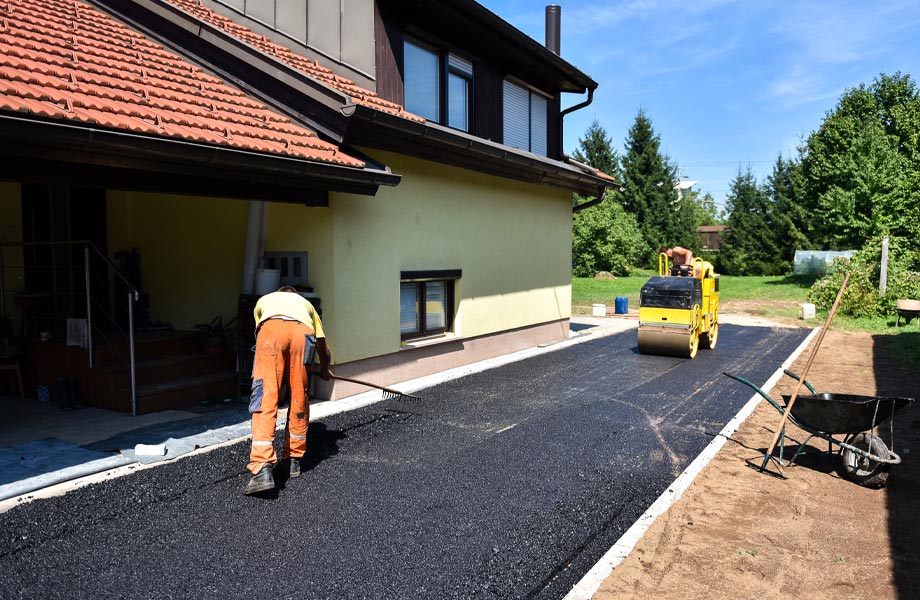
The asphalt pavement of your commercial property—parking lot, driveway, or access road—plays a vital role in its functionality and visual appeal. Cracks, potholes, and uneven surfaces not only create an eyesore but can also pose safety hazards and hinder business operations. When it comes to asphalt repairs or new installations, selecting the right paving contractor is crucial for a successful project. This blog post from Sanchez Concrete, your trusted commercial asphalt paving partner, equips you with the knowledge to make an informed decision. Key Factors to Consider When Choosing an Asphalt Paving Contractor Selecting the right asphalt paving contractor involves more than simply comparing quotes. Here are some essential factors to consider: Experience is paramount. Look for a contractor with a proven track record of handling commercial asphalt projects similar to yours. Years of experience translate into a deep understanding of asphalt paving techniques, material selection, and potential project challenges. Ensure the contractor holds the necessary licenses and certifications required in your area. A contractor’s reputation speaks volumes. Seek recommendations from colleagues, business neighbors, or property management companies. Online reviews and testimonials can also offer valuable insights. Don’t hesitate to contact references provided by the contractor to understand their experience with the company’s work ethic, quality, and communication style. Does the contractor offer the full scope of services you require? This could include an initial site evaluation, project planning, asphalt removal (if necessary), new asphalt paving, striping, and seal coating. Ideally, choose a contractor with the expertise to handle your entire project from start to finish, ensuring seamless execution and clear lines of communication. Ensure the contractor has adequate liability and worker’s compensation insurance. This protects you from any financial liability in case of accidents or injuries occurring on-site during the project. A well-equipped contractor demonstrates their commitment to delivering a high-quality job. Ask about the types of equipment they utilize and whether they own or lease their machinery. A reliable contractor will have access to the necessary equipment to ensure efficient project completion without delays. Questions to Ask Potential Asphalt Paving Contractors Once you’ve shortlisted a few contractors, schedule consultations to delve deeper and ask specific questions: These questions will help you assess the contractor’s expertise, communication style, and commitment to quality. Red Flags to Watch Out for When Hiring an Asphalt Paving Contractor Beware of contractors who exhibit the following red flags: While cost is a factor, an excessively low quote might indicate the use of inferior materials or cutting corners on labor, potentially leading to premature repairs and higher costs down the line. Avoid working with a contractor who lacks the necessary licenses or insurance coverage. This puts your project and finances at risk. A reputable contractor will patiently answer your questions and address your concerns. Be wary of contractors who pressure you into signing a contract on the spot. A reputable contractor will be transparent and happy to showcase their previous work and connect you with satisfied clients. Partner with Sanchez Concrete for Your Asphalt Paving Needs At Sanchez Concrete, we deliver exceptional commercial asphalt paving services across Tennessee and Kentucky. We are a fully licensed and insured company with a team of highly skilled and experienced professionals. We understand the importance of clear communication and work closely with our clients to understand their needs and project goals. We utilize state-of-the-art equipment and high-quality materials to ensure a durable and aesthetically pleasing asphalt surface. Contact Sanchez Concrete today. We offer free consultations and competitive quotes. Let our expertise pave the way for a successful project.